Santa Clarita
When water disrupts your Santa Clarita property, the next decision is about more than removing what you can see.
- ✓ Open 24 hours, 7 days a week
- ✓ Serving Santa Clarita, Los Angeles County, Agoura Hills and 86 more areas
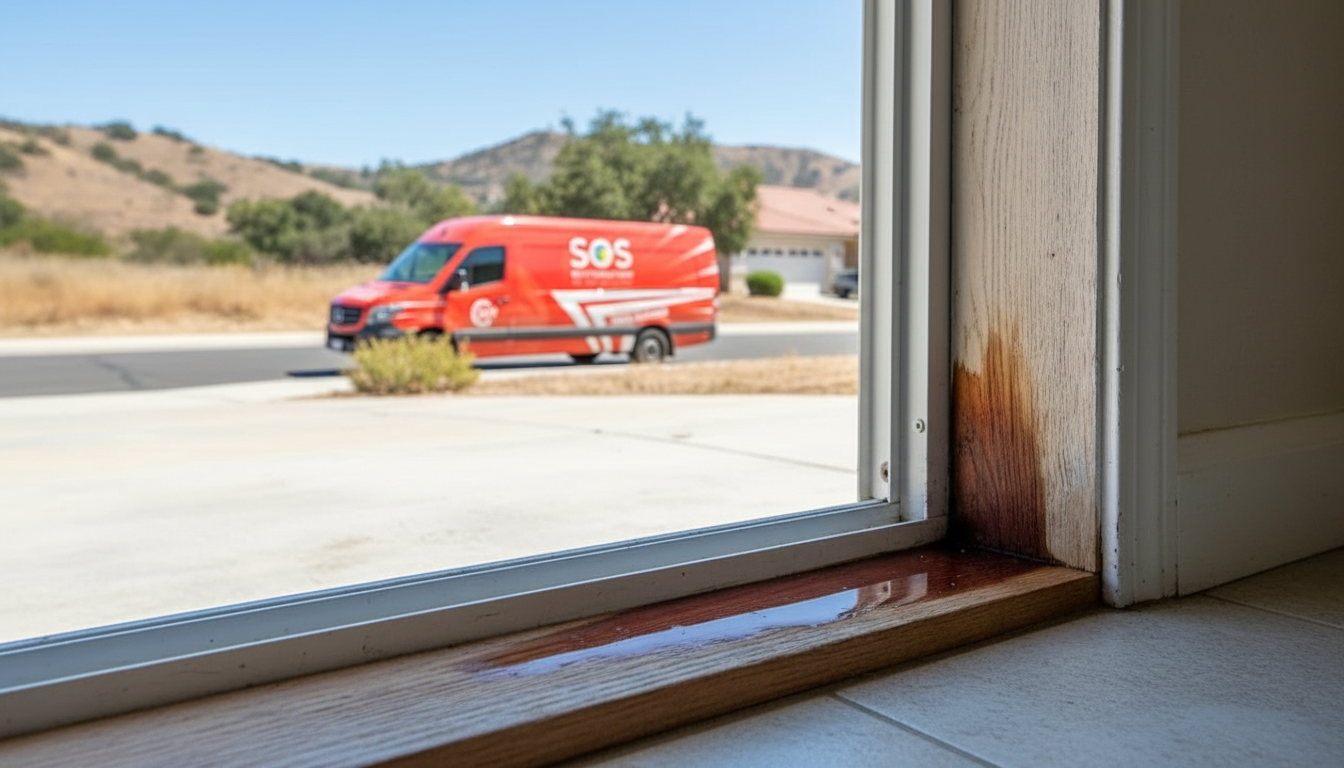
Visible water is only part of the problem
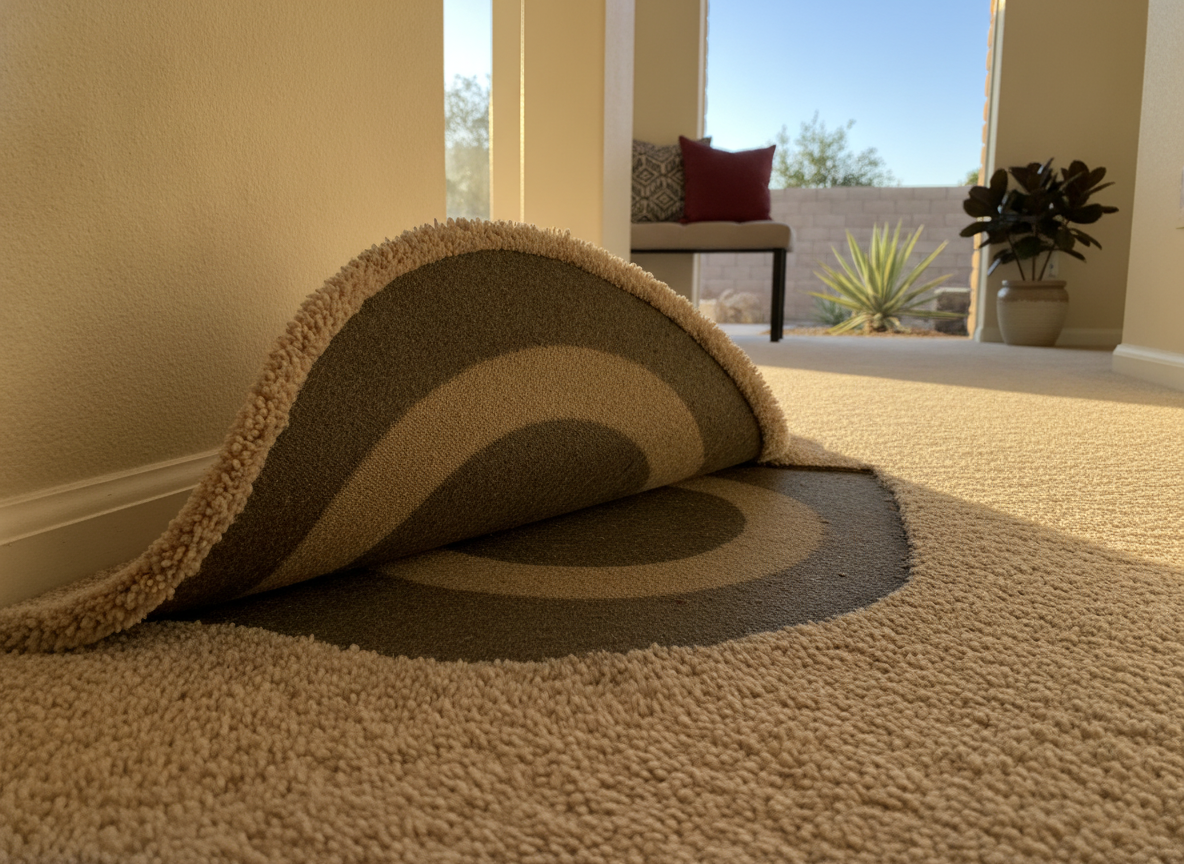
SOS Restoration Of Los Angeles County serves Santa Clarita with flood cleanup, water extraction, structural drying, and mold remediation. That range matters when a water problem involves both standing water and moisture left inside affected materials.
Removing water from a floor does not necessarily mean the surrounding structure is dry. Moisture can remain beneath flooring, behind wall finishes, or within other absorbent materials. The right next step depends on where the water travelled, what it contacted, and whether affected materials can be dried or need removal.
For customers in Santa Clarita, choosing a business whose service area includes the community and whose services address these different needs gives the initial conversation a practical focus: what happened, what remains wet, and what kind of work may be needed.
Put safety ahead of moving belongings
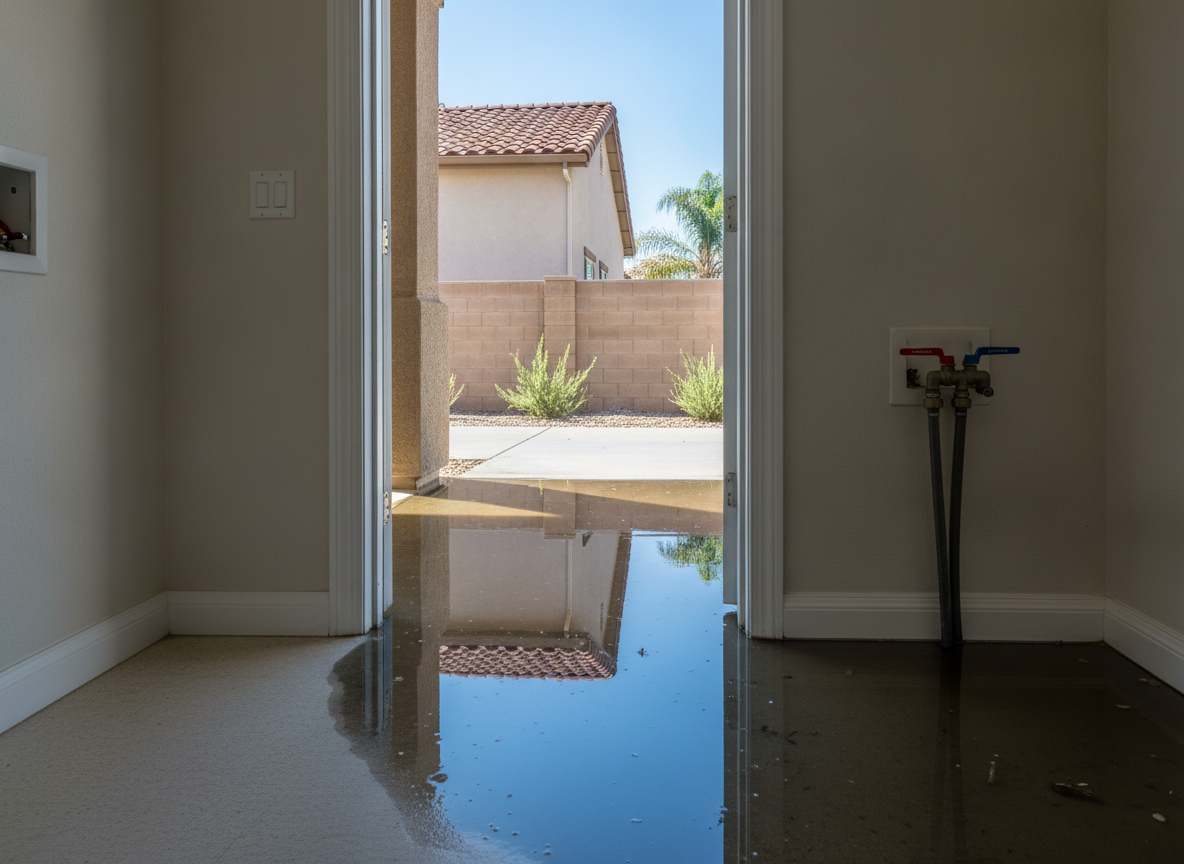
A water problem can make it tempting to start carrying items out immediately. First consider whether the affected space is safe to enter. Standing water near electrical equipment, sewage, and visibly damaged building materials are reasons to keep your distance.
Stay clear of hazards
Keep people and pets away from affected spaces where electrical, contamination, or structural risks may be present.
Stop the source only if safe
If the water comes from a controllable source, shut it off only when you can reach the control without entering a hazardous area.
Record what you can safely see
Take photographs from a safe position and note when you first noticed the problem.
Describe the situation when you contact help
Explain whether water is still entering, which spaces are affected, and whether there may be contamination.
Do not enter standing water to reach electrical controls or retrieve belongings.
The source affects the cleanup decision
Water from a clean supply line and water containing sewage do not present the same cleanup concerns. When the source is uncertain, avoid assuming that water is safe because it looks clear. Its route through the property and the materials it touched also matter.
These details help frame the discussion about the job. Describe the source if you know it, but separate what you observed from what you suspect. For example, “water is coming through the ceiling” is more useful than guessing which hidden pipe failed.
A dry-looking surface is not the finish line
Drying decisions should account for the affected materials, not just the appearance of the room. A hard surface and an absorbent material can respond differently to the same water exposure. Enclosed spaces may also retain moisture after exposed surfaces seem dry.
Before repainting, replacing flooring, or closing an opened wall, the underlying moisture condition needs attention. Covering a damp area can conceal the problem rather than resolve it. Ask what needs to happen before repairs or finishes can proceed, and which materials may require a separate decision.
Questions Santa Clarita customers ask
Does the business serve Santa Clarita?
Yes. Santa Clarita is within the service area of SOS Restoration Of Los Angeles County.
What should I explain when I first make contact?
Describe the affected rooms, whether water is still entering, any visible damage, and any safety concerns. Mention when you noticed the problem and whether the source is known.
Does every wet material need replacement?
Not necessarily. The decision depends on the material, its condition, the extent of exposure, and contamination concerns. Appearance alone is not enough to decide whether something should stay or be removed.
How long does drying take?
There is no single duration for every property. The amount of moisture, affected materials, and access to wet areas all influence the work. Ask for guidance based on the actual conditions rather than relying on a generic timeline.
Talk through your Santa Clarita property's needs
Contact SOS Restoration Of Los Angeles County at 323-215-3856. Describe what happened at your Santa Clarita property and discuss the restoration services relevant to the damage.