Glendora
For your Glendora property, dealing with water damage means addressing both the water you can see and the moisture left behind.
- ✓ Open 24 hours, 7 days a week
- ✓ Serving Glendora, Los Angeles County, Agoura Hills and 86 more areas
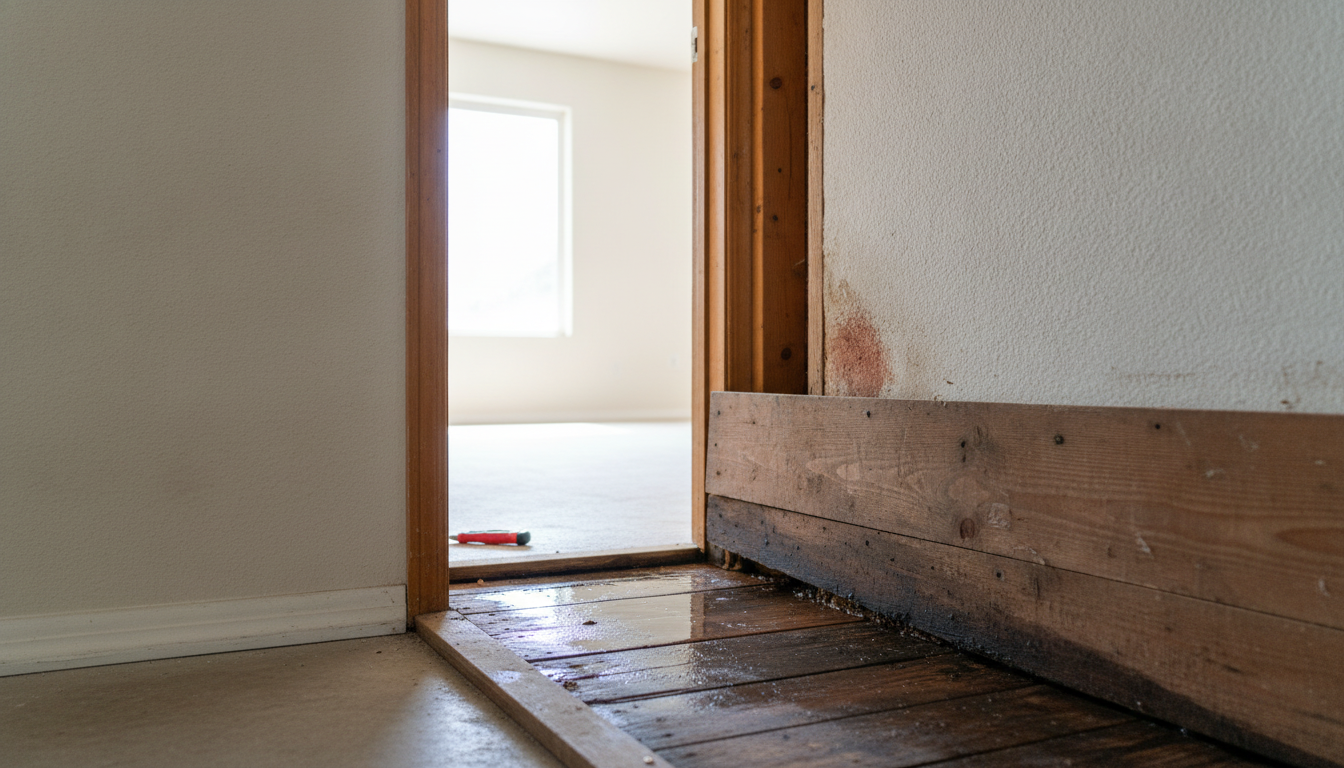
Standing water is only part of the problem

SOS Restoration Of Los Angeles County serves Glendora with water extraction, flood cleanup and structural drying. These services address different parts of a water damage problem: removing accumulated water, cleaning affected areas and dealing with moisture in building materials.
A floor that looks dry does not necessarily mean the surrounding materials are dry. Water can move beneath flooring, into wall assemblies and through porous materials. That is why the decision is not simply whether to remove a puddle, but how to address the affected space as a whole.
Put safety before cleanup

Before moving belongings or trying to remove water, consider whether the area is safe to enter. Electrical hazards, unstable materials and potentially contaminated water can make an apparently straightforward cleanup dangerous. Avoid contact with water when its source or contents are uncertain.
Keep people clear
Keep children, pets and anyone not involved in addressing the damage away from the affected area.
Avoid electrical hazards
Do not enter standing water to reach outlets, appliances or electrical controls.
Document from a safe position
Take photographs of visible damage if you can do so without entering an unsafe area.
Describe the problem
Contact the business with your Glendora location, what happened and whether water is still entering the property.
Do not enter an affected space if you suspect an electrical, structural or contamination hazard.
The source changes the cleanup decision
Water from a known plumbing issue presents different concerns from water that has passed through sewage or other contaminated areas. The source, the length of exposure and the materials affected all influence the kind of work a situation may require.
When you make contact, explain what you know without guessing. Say when you first noticed the damage, which rooms appear affected and whether there is an unusual odor or visible staining. If the source is unknown, say so. Those details help frame the conversation about the work needed.
Drying matters after visible water is removed
Extraction and drying are not interchangeable. Removing standing water reduces the amount of water present, while drying addresses moisture remaining in affected materials. Depending on the damage, decisions may also be needed about which materials can remain and which may require removal.
The drying stage should not be judged only by how a surface feels. Material type, water exposure and conditions within the affected space can all influence how moisture behaves. Avoid assuming that a fixed number of days will suit every property or every incident.
Choose services that match the damage
For Glendora customers, SOS Restoration Of Los Angeles County provides a service scope that includes both water removal and structural drying. That distinction matters when the concern extends beyond visible water to the building materials around it.
The business also provides fire and smoke damage restoration, mold remediation, storm damage repair, sewage cleanup, emergency board-up, smoke odor removal, contents cleaning and restoration, commercial damage restoration, biohazard cleanup, asbestos removal and disaster cleanup.
Questions Glendora customers may have
Do you serve properties in Glendora?
Yes. Glendora is within the service area of SOS Restoration Of Los Angeles County. When contacting the business, provide your property location and a brief description of the damage.
What should I have ready when I contact you?
Start with the location, the apparent source of the problem and when you noticed it. Photographs can help explain visible damage, but only take them if it is safe.
Can I assume everything is dry once the water is gone?
No. Visible water removal does not establish that moisture has left flooring, walls or other affected materials. Drying is a separate consideration.
How long will the work take?
The extent of the damage, affected materials and type of cleanup influence the work required. Discuss your situation before making plans around a completion date.
Contact us about your Glendora property
Tell SOS Restoration Of Los Angeles County what happened and where you need help in Glendora. Call 323-215-3856 or use the contact form to discuss your restoration needs.