Commercial Damage Restoration
Damage to your commercial property means decisions about the space, its contents, and the work needed before normal use can resume.
- ✓ Open 24 hours, 7 days a week
- ✓ Serving Los Angeles County, Agoura Hills, Alhambra and 86 more areas
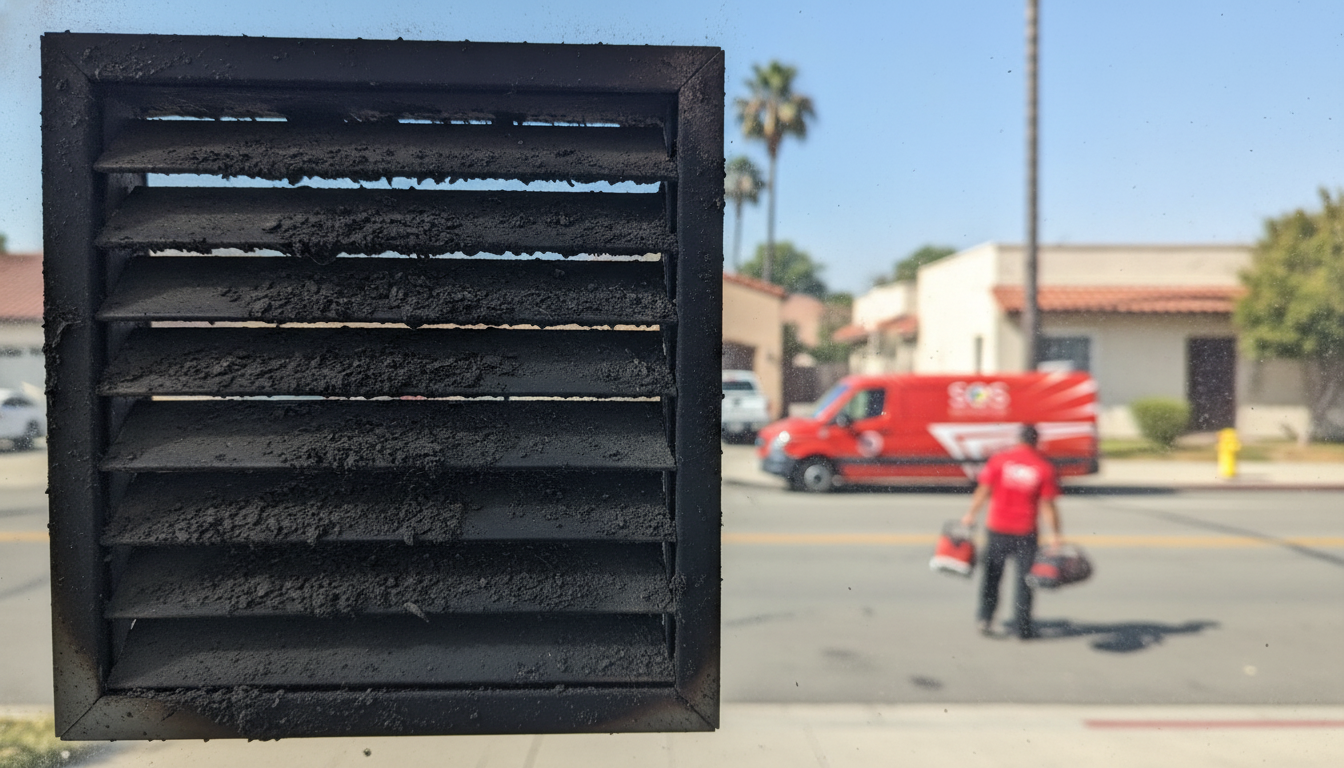
Look beyond whether the space is usable today
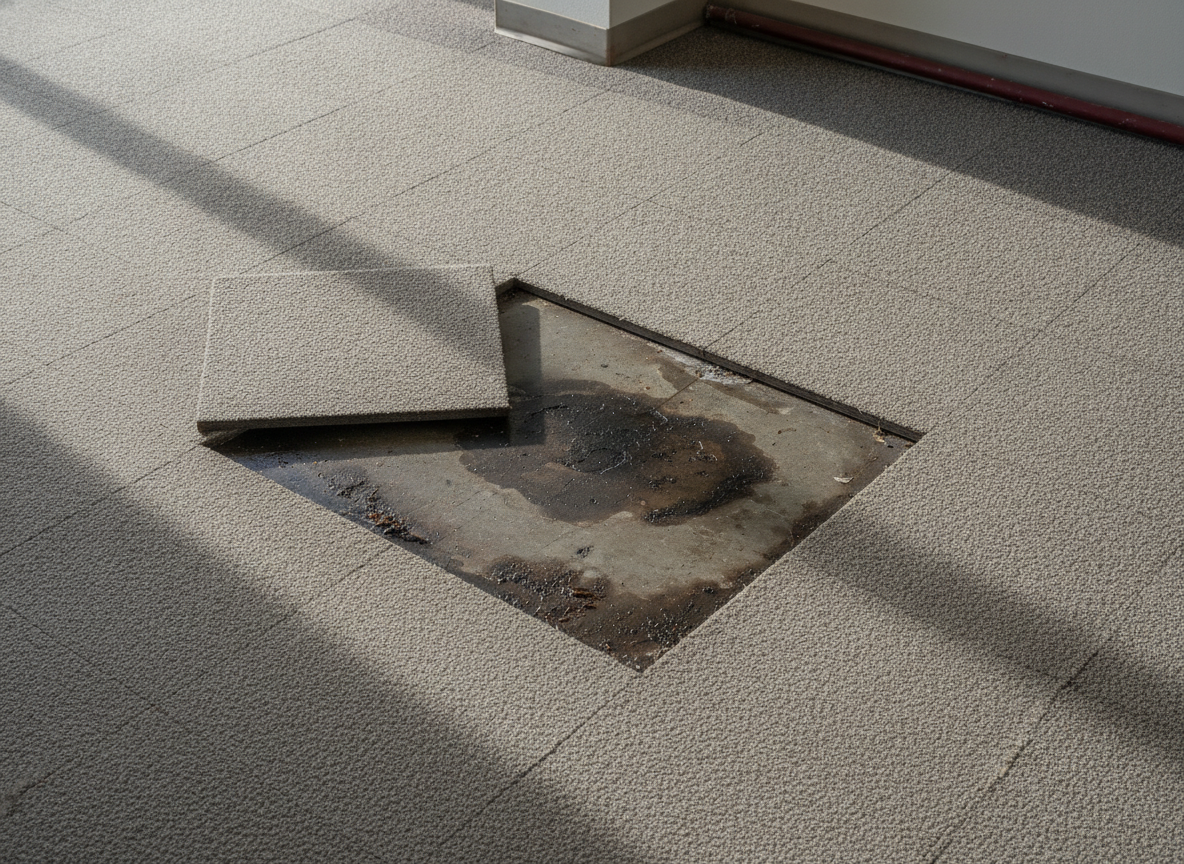
Commercial damage restoration addresses damage affecting business premises. For an owner, manager, or person responsible for a commercial space, the question is not simply whether the property looks better. It is what needs attention and how that work relates to using the space again.
Visible damage is a starting point, not necessarily a complete description of the job. The cause, affected materials, and condition of the contents can all influence the scope. A room that appears ready for cosmetic repairs may still have underlying damage that needs attention first.
The cause of the damage shapes the work
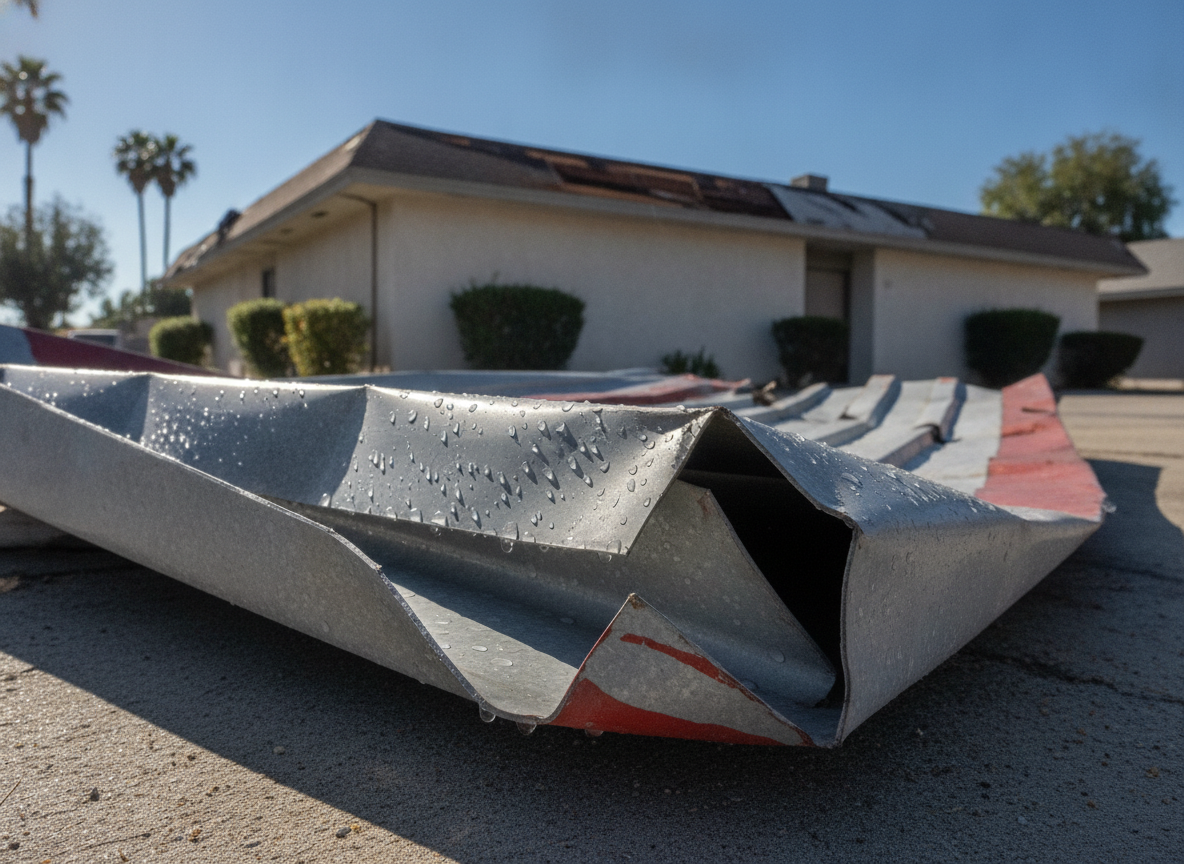
Commercial restoration is not one fixed treatment. Water-related damage, fire-related damage, and storm-related damage present different concerns. The work should reflect the conditions present rather than a standard package applied to every property.
SOS Restoration Of Los Angeles County offers commercial damage restoration alongside water extraction, structural drying, fire and smoke damage restoration, mold remediation, storm damage repair, and contents cleaning and restoration. These recorded services cover different damage-related needs; which are relevant to a particular commercial property depends on the situation.
For the customer, the important distinction is between the original event and what remains afterward. An incident may be over while its effects still need attention. Describing both helps make the restoration conversation more useful.
Separate the building’s needs from its contents
A commercial space includes more than its walls and floors. Furniture, equipment, inventory, and other contents may also be affected. Their condition can create a separate set of decisions from the work needed on the building itself.
Before discussing the job, consider which areas and items appear affected, which parts of the space remain in use, and what activities depend on access to those areas. You do not need to diagnose the damage yourself. A clear description of what happened and what you have noticed provides a practical starting point.
Define the scope before planning around completion
The extent of damage matters more than the size of the room alone. Different materials, affected contents, and overlapping conditions can change what a restoration job requires. That is why a general description such as “one damaged office” does not establish the full amount of work.
Ask what the proposed work covers, what remains outside it, and which conditions could change the scope. If your business has access restrictions or important operating dates, raise those early. They are planning considerations, not a substitute for determining what the property needs.
Plan around the work your property actually requires, rather than assuming every commercial restoration job follows the same schedule.
Questions to ask before arranging restoration
How do I know whether commercial damage restoration is relevant?
It is worth discussing when damage affects your business premises or their contents, particularly when the issue goes beyond appearance. Explain the event, the affected areas, and any changes you have noticed. Avoid assuming that a surface repair will address every part of the problem.
Can I keep using the property during the work?
That depends on the damage, the affected areas, and the work required. Continued use should not be assumed simply because part of the property appears unaffected. Ask about access and occupancy considerations before making plans for staff, customers, or other occupants.
How much will restoration cost, and how long will it take?
Cost and duration depend on the job’s scope and conditions. Ask for those details in relation to your property, including what the proposed work includes and what could change it. A price or timeline for another property is not a reliable basis for your own plans.
What should I have ready when I contact you?
Be ready to describe what happened, where the damage is, and whether the affected space is currently being used. Mention any concerns about contents and any access constraints. Keep observations separate from assumptions about the cause or extent of damage.
Discuss your commercial property’s restoration needs
Contact SOS Restoration Of Los Angeles County to discuss commercial damage restoration. Describe your situation, explain your priorities, and ask about the work your property may need.